The Binding of Isaac: Rebirth

With Cuphead it shares punishing difficulty, melee combat and fantasy world. The common ground extends to multiplayer gameplay and an isometric view. Where the two diverge is setting: horror setting.

Games like Cuphead · Find similar →
Few titles capture what makes Cuphead unique: shooting mechanics, punishing difficulty and ranged combat. After measuring 18 attributes across over 6,700 games, the NextGameLike team picks the 43 most faithful alternatives. The Binding of Isaac: Rebirth, Enter the Gungeon and Nuclear Throne top the ranking, with The Binding of Isaac: Rebirth at number one (83/100).
Did you find what you were looking for?
Quick answer
The closest game to Cuphead is The Binding of Isaac: Rebirth — scoring 83/100 on our similarity scale. Enter the Gungeon and Nuclear Throne follow close behind.
Help us build the best rankings
Community poweredVote on each result below — good match or not. Every vote directly shapes how we rank similar games for everyone.
Handpicked by our similarity algorithm, these are the titles with the highest gameplay match to Cuphead. Each one has been evaluated across 18 real attributes — from combat style and progression mechanics to world structure and visual perspective — so every recommendation is based on how the game actually plays, not just its genre label.

With Cuphead it shares punishing difficulty, melee combat and fantasy world. The common ground extends to multiplayer gameplay and an isometric view. Where the two diverge is setting: horror setting.

Shelved next to Cuphead for good reason: punishing difficulty, ranged combat and fantasy world. Both also lean on single-player focus and an isometric view. The distance is in setting and visuals — its own ground is pixel art.

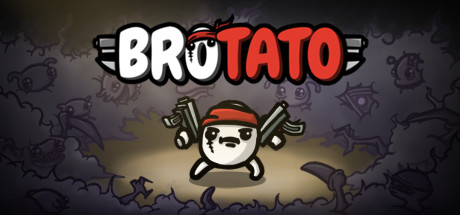
The genre is the same as Cuphead’s, and with it punishing difficulty, melee combat and single-player focus. To that it adds 2D presentation. They part company on setting and visuals: this one brings a sci-fi setting and pixel art.

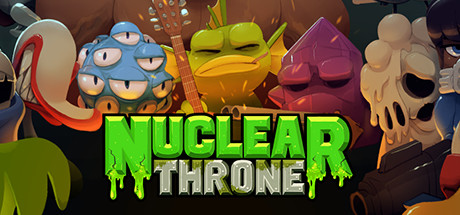
Its point of contact with Cuphead is punishing difficulty, ranged combat and single-player focus. The common ground extends to an isometric view. Where the two diverge is setting: a sci-fi setting.
Released 5 years after Cuphead.

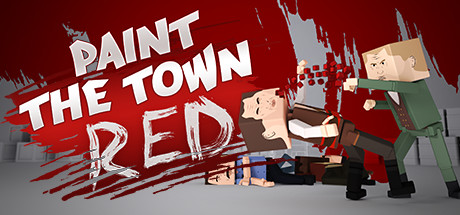
Same family as Cuphead: punishing difficulty, melee combat and single-player focus. Both also lean on 2D presentation. The distance is in combat and visuals — its own ground is pixel art.
It predates Cuphead by 18 years, with what that implies technically.

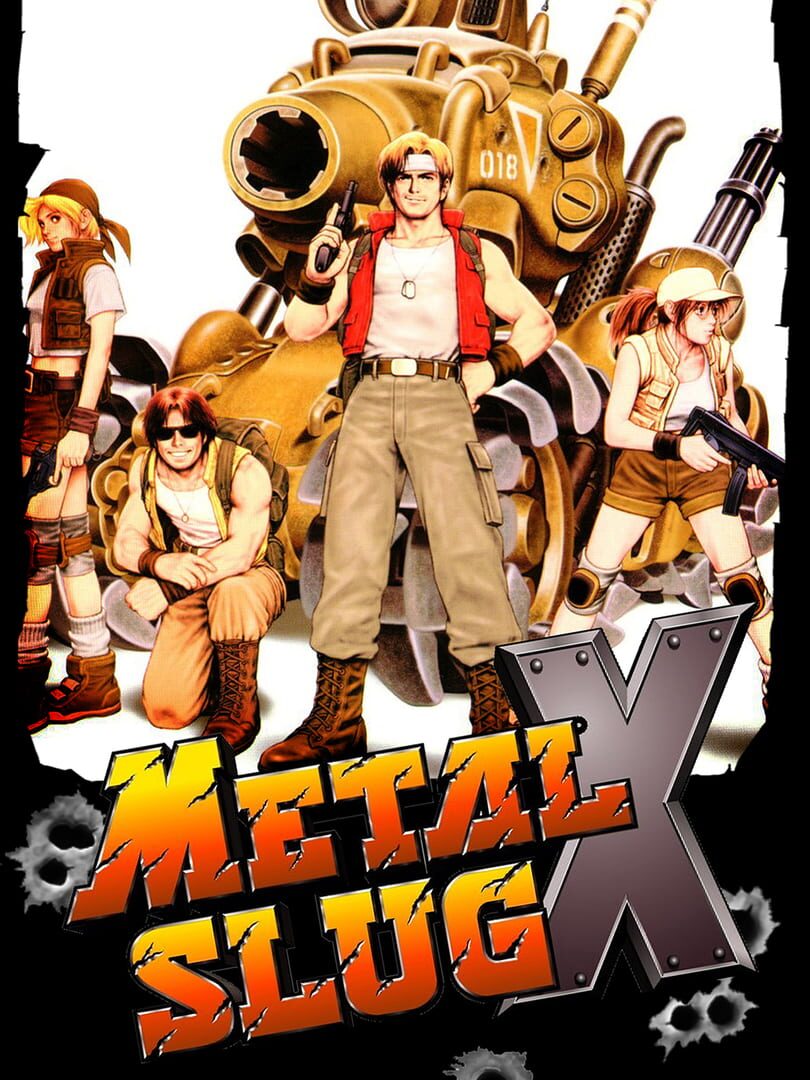
On paper it is what Cuphead is — punishing difficulty, melee combat and fantasy world — though the resemblance is mostly at that level. To that it adds multiplayer gameplay and an isometric view. They part company on setting and game mode: this one brings an anime aesthetic and PvP competition.
Released 3 years after Cuphead.

The genre is the same as Cuphead’s, and with it punishing difficulty, melee combat and single-player focus. To that it adds an isometric view. They part company on setting and visuals: this one brings dark, oppressive atmosphere and horror setting.

The genre is the same as Cuphead’s, and with it punishing difficulty, melee combat and multiplayer gameplay. The common ground extends to 2D presentation. Where the two diverge is combat and tone: a casual, approachable feel.

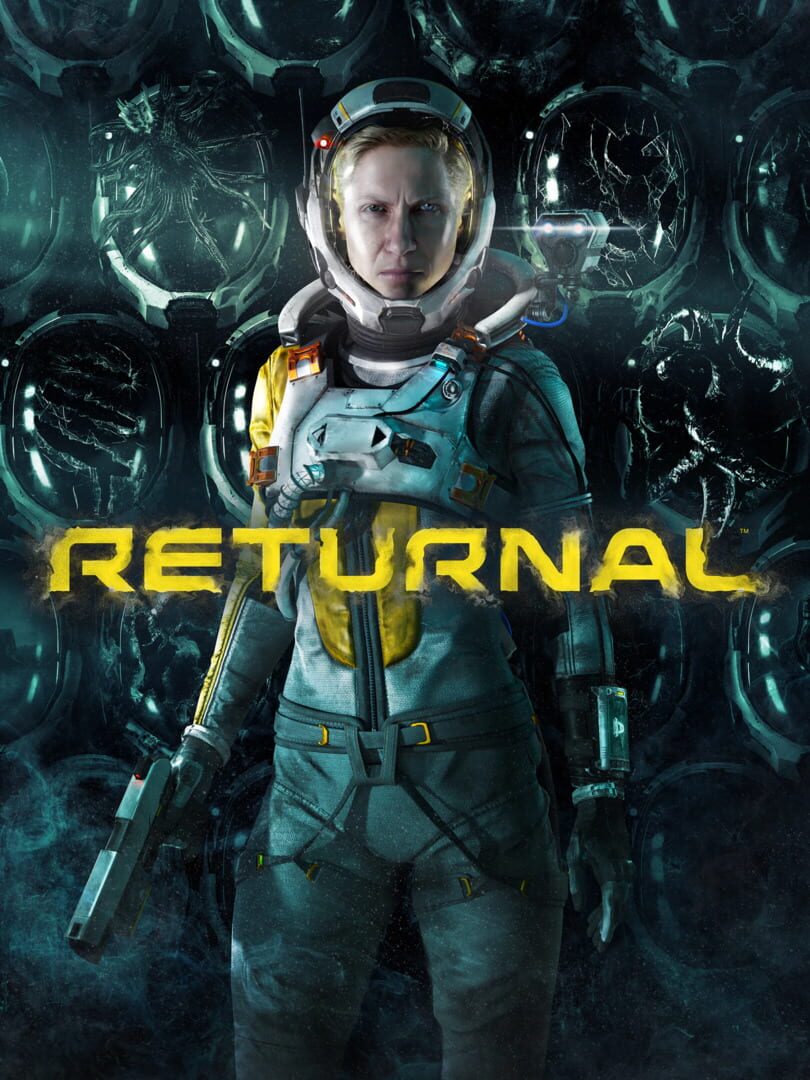
Same family as Cuphead: punishing difficulty, melee combat and single-player focus. Where the two diverge is setting and visuals: a sci-fi setting and a first-person view.
It predates Cuphead by 16 years, with what that implies technically.

Genre puts it alongside Cuphead, and so does punishing difficulty, melee combat and single-player focus. The distance is in setting and visuals — its own ground is a sci-fi setting and a third-person camera.

On paper it is what Cuphead is — punishing difficulty, melee combat and single-player focus — though the resemblance is mostly at that level. To that it adds 2D presentation. They part company on setting and game mode: this one brings dark, oppressive atmosphere and horror setting.

What carries over from Cuphead is shooting mechanics, melee combat and single-player focus. Both also lean on 2D presentation. The distance is in visuals — its own ground is pixel art.

Same family as Cuphead: punishing difficulty, ranged combat and fantasy world. The common ground extends to single-player focus. Where the two diverge is visuals and game mode: an anime aesthetic and a first-person view.
Released 5 years after Cuphead.

Same family as Cuphead: punishing difficulty, melee combat and fantasy world. The common ground extends to 2D presentation and single-player focus. Where the two diverge is game mode and setting: a sci-fi setting and pixel art.

On paper it is what Cuphead is — punishing difficulty, melee combat and single-player focus — though the resemblance is mostly at that level. The distance is in setting and visuals — its own ground is horror setting and online features.
Released 4 years after Cuphead.
Found one on the list you already love? Open its own list: the games that play most like it, ranked, with the reason for each.
If Cuphead left you wanting more, this is where you narrow it down. Was it the platformer or the adventure that hooked you? There is a list of just that. And if you play on PlayStation, Xbox and Mobile, filter by platform and skip the games you could not play anyway.
Sometimes what you want is not a Cuphead look-alike but simply the best Arena FPS Games there are. That is what these rankings are for: no comparison to anything, just the highest-rated games. And if you feel like widening the net, the Shooter Games ranking is a good way to run into something you were not expecting.